 Minnesota Legislature
Bill would extend in-state tuition to families relocating for full-time jobs
When a family relocates for a new job, the financial math can be complicated — especially when college-aged children are involved.
At the University of Minnesota Twin Cities, in-state tuition runs $18,482, compared with $41,368 for out-of-state students, according to U.S. News & World Report. For some households, that gap can influence whether they move.
That lower number could entice families to settle in the state, said Rep. Kari Rehrauer (DFL-Coon Rapids), who sponsors HF3432 that would extend in-state tuition eligibility at Minnesota State colleges and universities to individuals who have accepted full-time employment in the state. It requests the University of Minnesota do the same.
The bill, as amended, was laid over Thursday by the House Higher Education Finance and Policy Committee pending a fiscal note.
Current law provides in-state tuition to dependent students who attend a Minnesota high school for at least three years and graduate from a Minnesota high school.
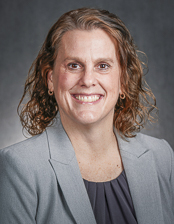
Rehrauer said the idea stemmed from a constituent moving from Texas after receiving a Minnesota job offer and wanting her family to access in-state tuition rates. The change, she said, aims to make it easier for working families to settle permanently in the state. “It won’t solve the labor shortage by itself, but it’s worth taking steps toward a solution,” she said.
Incoming students would not be eligible for state financial aid, such as the North Star Promise program, and would have to apply for school after the job offer is accepted and move is made.
An amendment from Rep. Kristin Robbins (R-Maple Grove) was adopted that would require a pay stub instead of a job offer. Robbins noted the House fraud committee has heard multiple concerns about relying solely on attestation instead of documentation to get state benefits.
Opposition to the bill centered on cost shifts and residency fairness.
Rep. Paul Novotny (R-Elk River) questioned whether newcomers should receive the same tuition rates as families who have lived, worked, and paid taxes in Minnesota for years. Rep. Marion Rarick (R-Maple Lake) is concerned about the possible impact to school budgets and that a person could “come to Minnesota, work for a short time and then leave,” noting the bill does not specify job type or duration of employment.
Rehrauer countered that every worker contributes to Minnesota regardless of their job title and expressed confidence that once people start working here, they’ll want to stay.
Rep. Jessica Hanson (DFL-Burnsville) said the bill could help attract more students to the state’s schools. “We are going to have bigger issues in this committee if enrollment is down.”
Related Articles
Search Session Daily
Advanced Search OptionsPriority Dailies
Could 2026 retirements lead to record turnover in the House?
By Lisa Kaczke In the final weeks of the legislative session, House members not seeking re-election to the body have taken a turn at gaveling in a floor session.
It’s an opportunity to loo...
In the final weeks of the legislative session, House members not seeking re-election to the body have taken a turn at gaveling in a floor session.
It’s an opportunity to loo...
How short are the Legislature's short sessions?
By Lisa Kaczke Rep. Ron Kresha (R-Little Falls) was ready to end the session March 25, making the motion to adjourn sine die. But not enough of his colleagues shared that sentiment, defeating ...
