 Minnesota Legislature
House passes higher ed package that leaves $131 million aid shortfall unaddressed
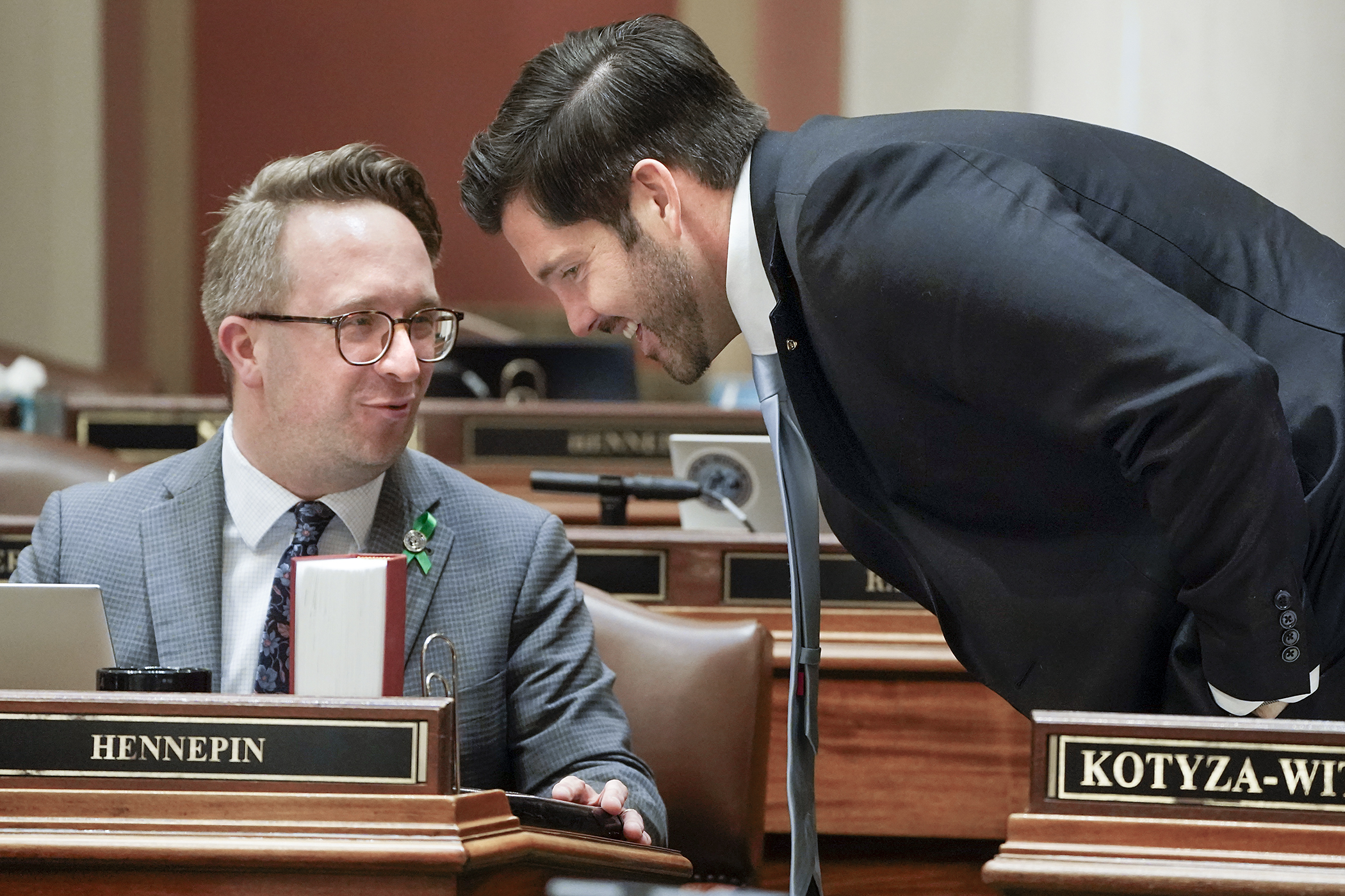
A $131 million shortage in the state’s student aid program is not addressed in a proposed higher education bill passed off the House Floor Monday.
Consisting mostly of technical corrections, the omnibus higher education finance and policy bill was passed, as amended, on an 82-52 vote and is headed to Senate.
Sponsored by Rep. Dan Wolgamott (DFL-St. Cloud), HF4252 would provide $1.5 million for software to help confirm the identity of students, aiming to combat fraud committed by so-called ghost students.
It would also provide $5,000 for tree planting to help Bemidji State University recover from a derecho, make non-controversial policy changes proposed by the Office of Higher Education, and require public institutions to clearly explain the difference between developmental and credit-earning courses.
However, the bill does not address a state grant program shortfall caused, in part, by increasing numbers of students using the grants.
There had been a provision in the bill when it left the House Higher Education Finance and Policy Committee, which amended a temporary cap on recognized tuition and fees. However, it was removed in the House Ways and Means Committee, per an agreement by higher education committee leadership.
Rep. Nathan Coulter (DFL-Bloomington) said the bill that passed off the House Floor is fine, but legislators missed a chance to build on efforts started in the 2023-24 legislative session, especially with a program that provides free college tuition to Minnesota resident students with an adjusted family income below $80,000.
“Northstar Promise has been game changer,” he said. “My fear is progress has stalled a little bit.”
Rep. Marion Rarick (R-Maple Lake) said budget issues in the state aid programs are structural, with 70,000 grants at the programs’ start growing to an expected 88,000 next year. Changes she offered were rebuffed.
“I thought we fixed the hole last year,” Rarick said. “And then this year happened.”
Coulter offered the only amendment addressing the state grant program: a proposal that would make for-profit colleges ineligible for state grants. About $6.5 million in aid flows to for-profit institutions annually, he said, money he argued could instead support Minnesota-grown colleges.
Rep. Kristin Robbins (R-Maple Grove) opposes the idea, noting the funds go to students — many pursuing cosmetology, law enforcement, or information technology — who choose programs they believe will lead to well-paying jobs.
Two amendments related to elections and appointments to the University of Minnesota Board of Regents also failed on party-line votes.
Related Articles
Search Session Daily
Advanced Search OptionsPriority Dailies
Could 2026 retirements lead to record turnover in the House?
By Lisa Kaczke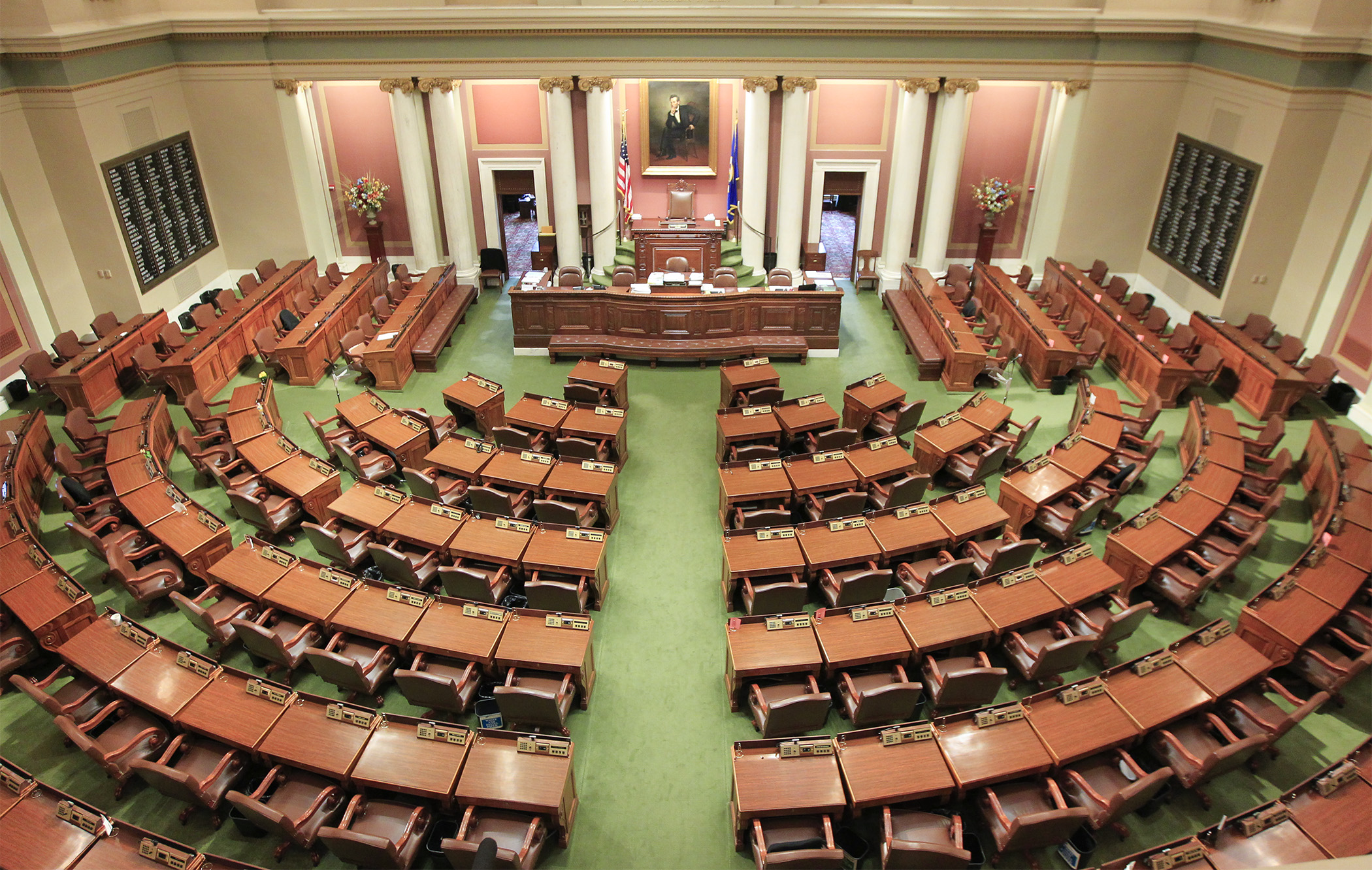 In the final weeks of the legislative session, House members not seeking re-election to the body have taken a turn at gaveling in a floor session.
It’s an opportunity to loo...
In the final weeks of the legislative session, House members not seeking re-election to the body have taken a turn at gaveling in a floor session.
It’s an opportunity to loo...
How short are the Legislature's short sessions?
By Lisa Kaczke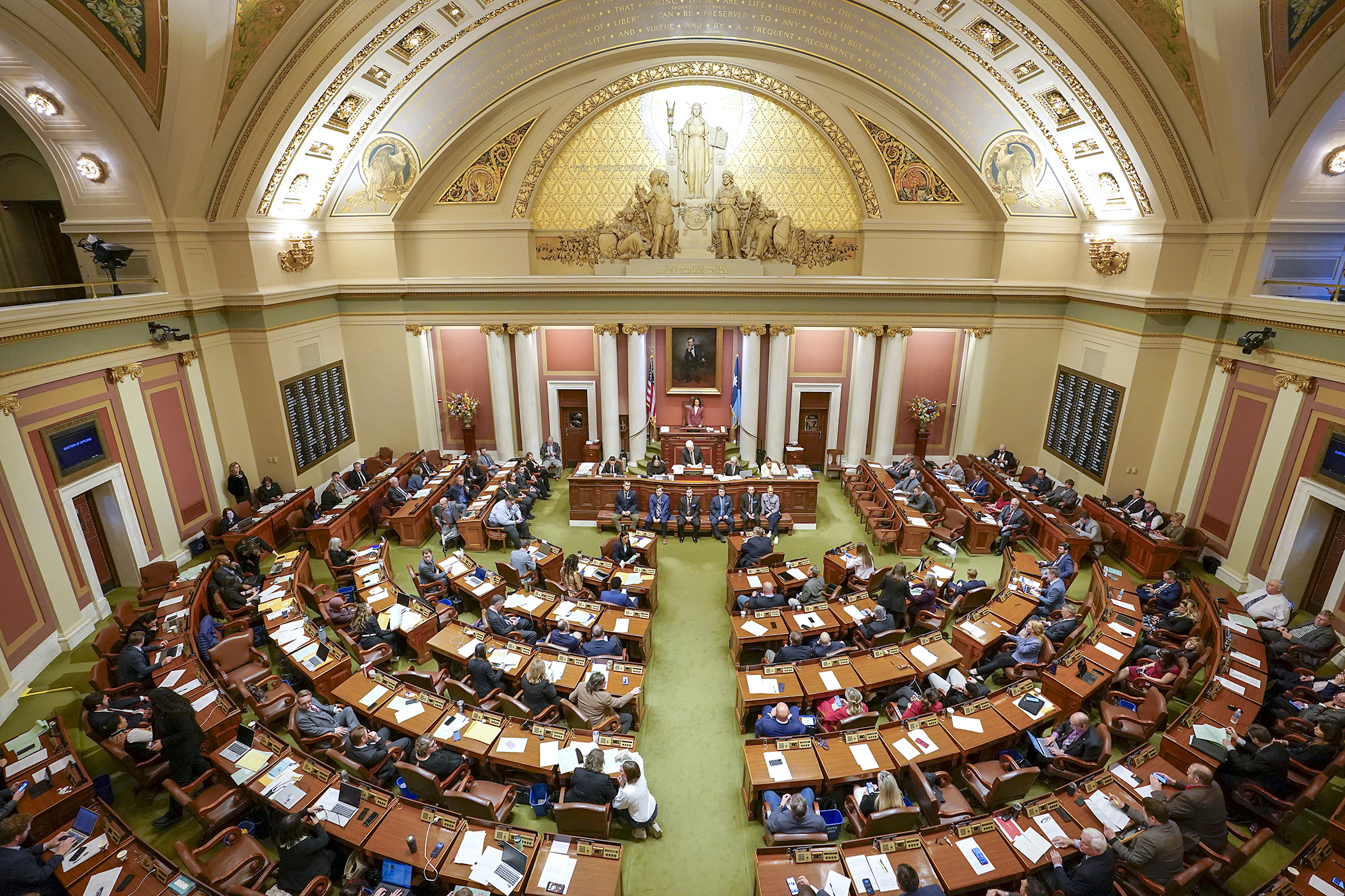 Rep. Ron Kresha (R-Little Falls) was ready to end the session March 25, making the motion to adjourn sine die. But not enough of his colleagues shared that sentiment, defeating ...
