 Minnesota Legislature
Measure seeks to end long detour through non-credit coursework
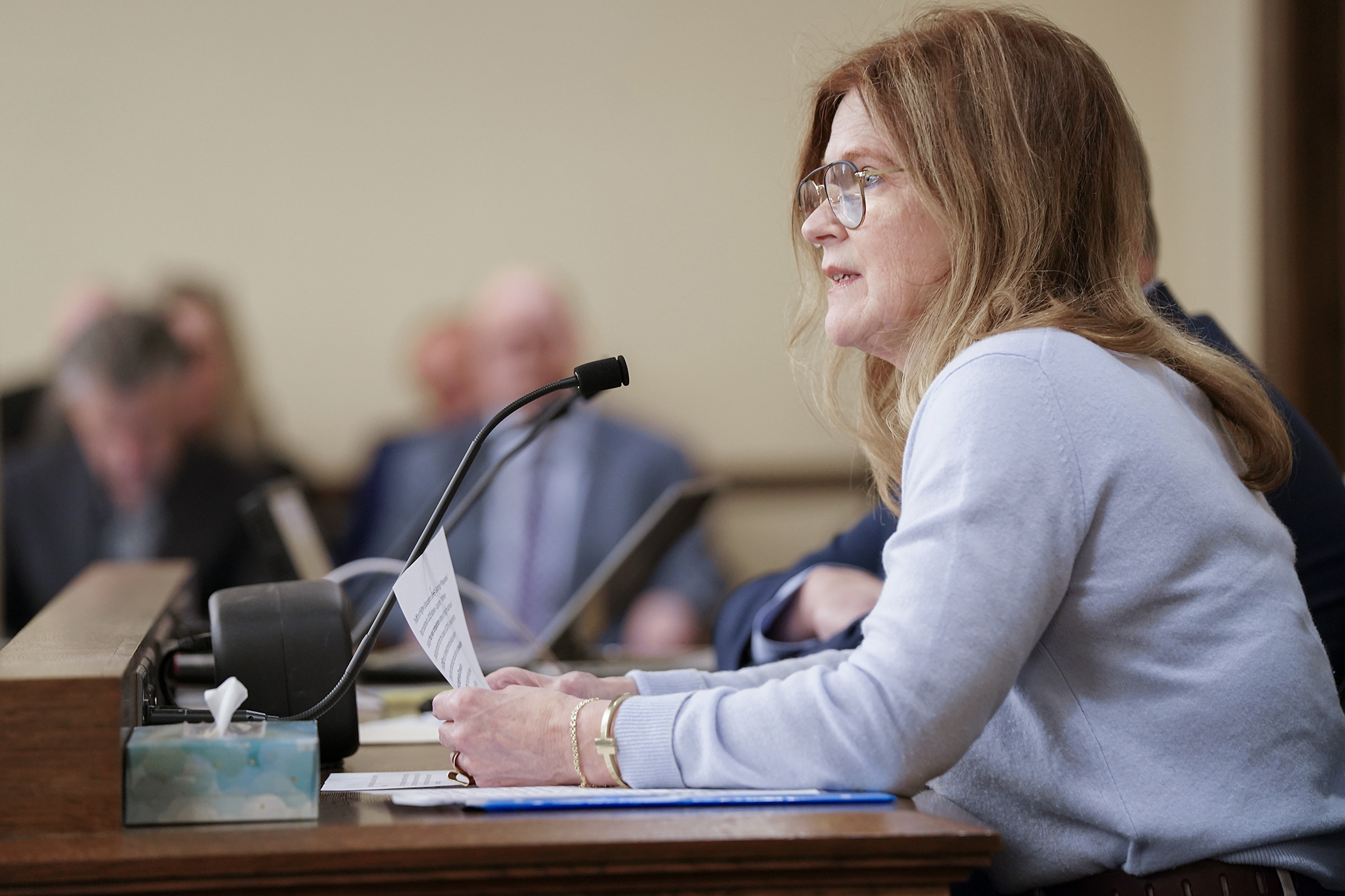
A student who spent four years going to school in hopes of completing a nursing degree recently learned 59 earned credits will not count toward that goal.
Her developmental education courses taught basics in English and math but did not apply toward a college credential. The student also exhausted eligibility for financial aid, having gone years without earning credit toward a degree.
“She was heartbroken,” said Jane Graupman, executive director of the International Institute of Minnesota, which includes education and workforce development among its services.
Situations like this prompted HF4608, laid over Thursday by the House Higher Education Finance and Policy Committee.
“Students are spending months or years in classes that do not move them toward graduation, and the greater concern is they don’t know it’s happening until they’ve spent a lot of time and a lot of money,” said Rep. Keith Allen (R-Kenyon). The proposal, he said, is about transparency, efficiency and boosting student success.
Sponsored by Rep. Jon Koznick (R-Lakeville), HF4608 would require public postsecondary institutions to clearly explain to students the difference between developmental courses and those that provide college credit; develop new credit-bearing English courses to replace traditional developmental English; and refer students who do not meet minimum requirements to adult basic education programs.
The bill would also cap developmental education to one semester. Supporters say long sequences can stretch up to five years, during which students pay for credits that do not advance them toward a higher-paying job — and many ultimately drop out.
While committee members largely support the goal of preventing such situations, several raised questions about specific provisions in the bill. Some noted the co-requisite model applies only to English and not math. Concerns were also raised that requiring a written acknowledgement from students might create unnecessary administrative hurdles.
Rep. Kim Hicks (DFL–Rochester) said her interest stems from working with students with disabilities. She’s been perplexed by why institutions would steer students to developmental education over adult basic education, yet she sees value in allowing students to demonstrate skills by passing a course rather than retaking placement tests.
“I don’t have a solution, which is why I never wrote a bill,” Hicks said. “But I really appreciate the conversation.”
Related Articles
Search Session Daily
Advanced Search OptionsPriority Dailies
Could 2026 retirements lead to record turnover in the House?
By Lisa Kaczke In the final weeks of the legislative session, House members not seeking re-election to the body have taken a turn at gaveling in a floor session.
It’s an opportunity to loo...
In the final weeks of the legislative session, House members not seeking re-election to the body have taken a turn at gaveling in a floor session.
It’s an opportunity to loo...
How short are the Legislature's short sessions?
By Lisa Kaczke Rep. Ron Kresha (R-Little Falls) was ready to end the session March 25, making the motion to adjourn sine die. But not enough of his colleagues shared that sentiment, defeating ...
